SELECTED WORK
VISUAL PHONIC
Immersive Experience
VISUAL PHONIC — Cinema, Vinyl & Immersion
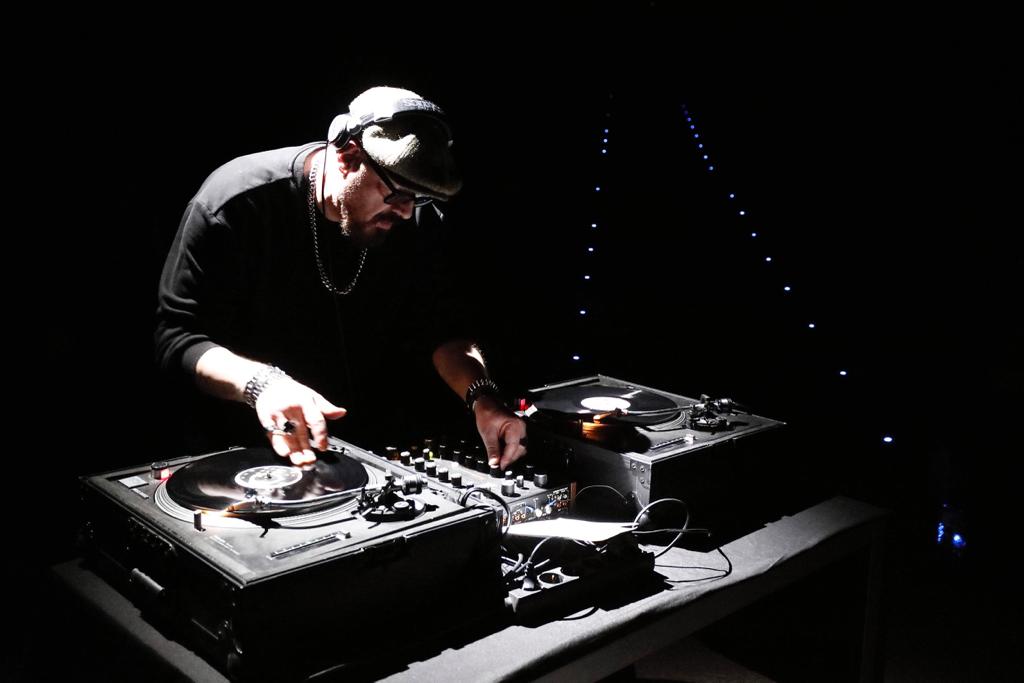
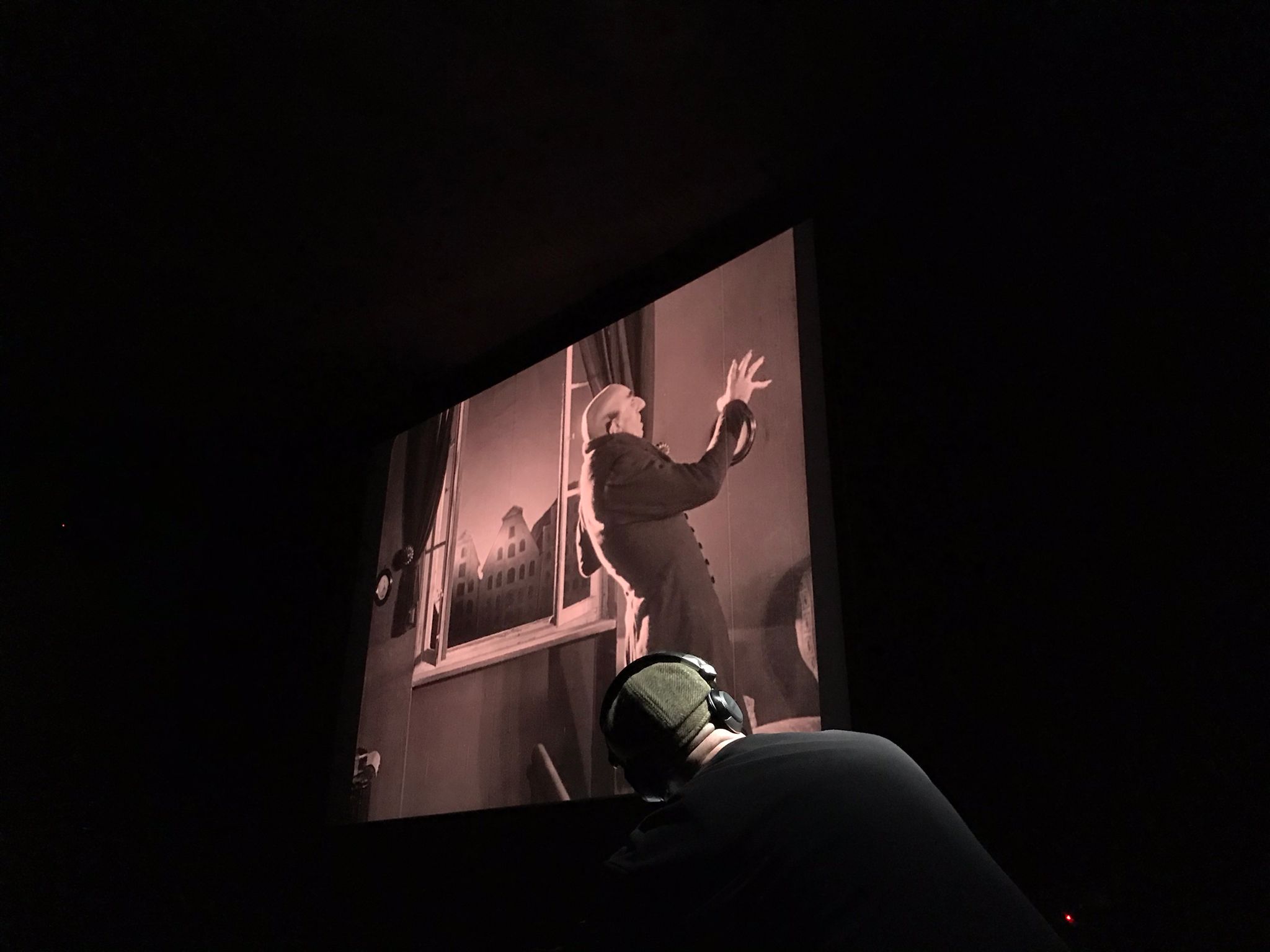
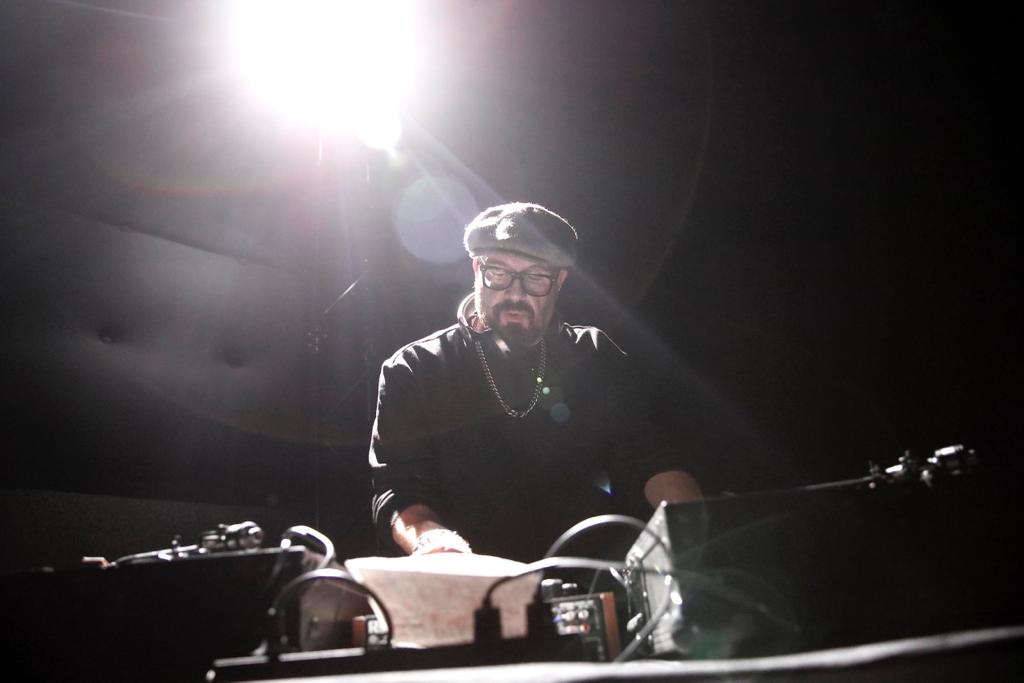
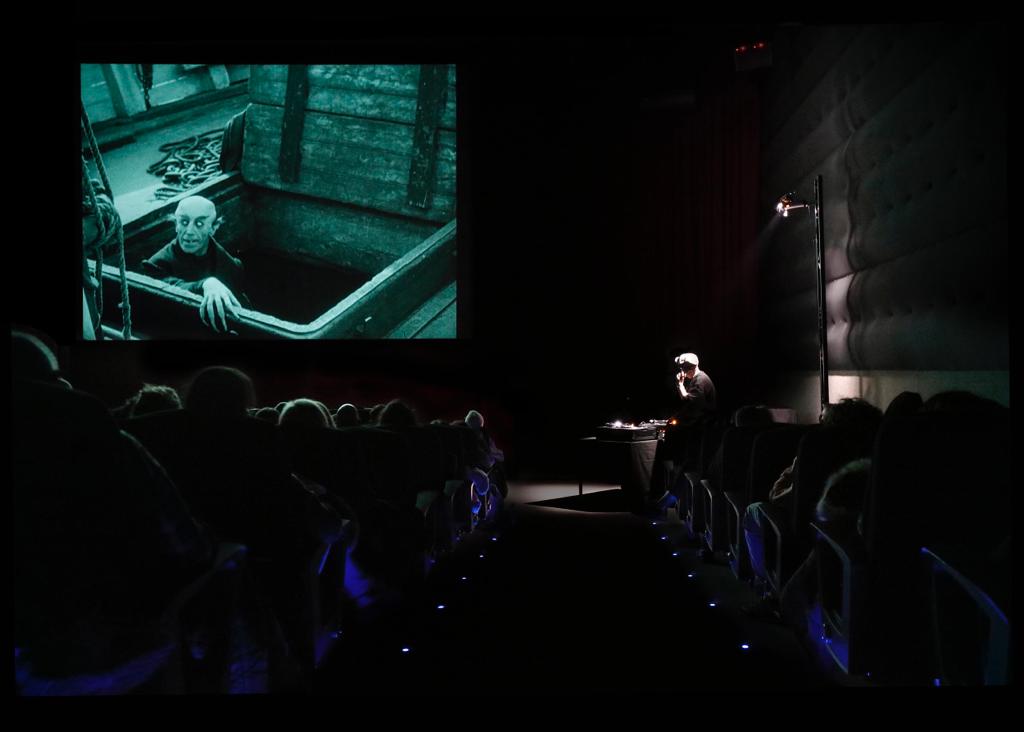
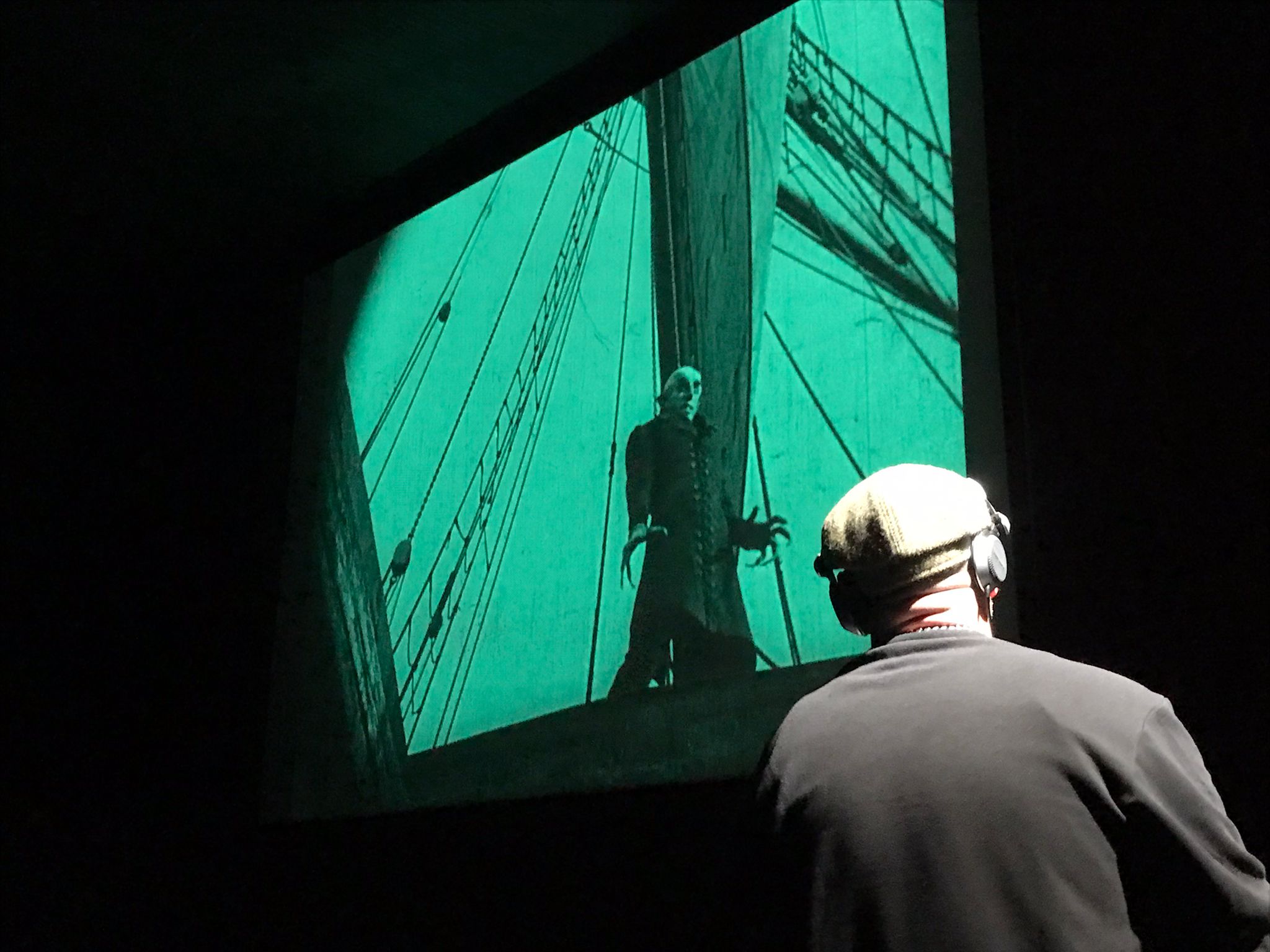
A live dialogue between image and sound Visual Phonic began in 2016 as a series of monthly sessions at the Filmoteca de Catalunya. Javier Verdes used vinyl from his personal collection to create new live scores for silent films, reinterpreting more than thirty classics over five years. The format brought cinema, electronic music and performance into the same immediate experience.
From an event to a cultural identity As Visual Phonic expanded from cinemas into museums, cultural forums and festivals, it needed an identity able to remain recognizable across very different contexts. My contribution focused on translating the project’s hybrid character into a coherent visual and digital language—one that could frame the film and music without overpowering either.
The system had to work at multiple scales: as communication for individual screenings, as a recognizable cultural program, and as the foundation for a more ambitious immersive experience. Its clarity helped Visual Phonic inhabit venues including the auditorium of the Guggenheim Museum Bilbao and the Museum of Contemporary Art of Ibiza while retaining its own voice.
Beyond the screen The next step was Visual Phonic 360. Moving away from the frontal logic of conventional cinema, the project transformed projection, sound and space into a unified environment. The audience no longer watched from outside; it occupied the center of the work.
A contemporary route into cinematic heritage Visual Phonic demonstrates how identity, technology and live performance can open new paths into cultural heritage. The project gives silent cinema a contemporary presence—not by replacing its history, but by creating a new spatial and sensory way to encounter it.
COLLABORATION